2026-08-18 · Frank Santoro
How Basement Dampness Affects Heating Equipment Longevity
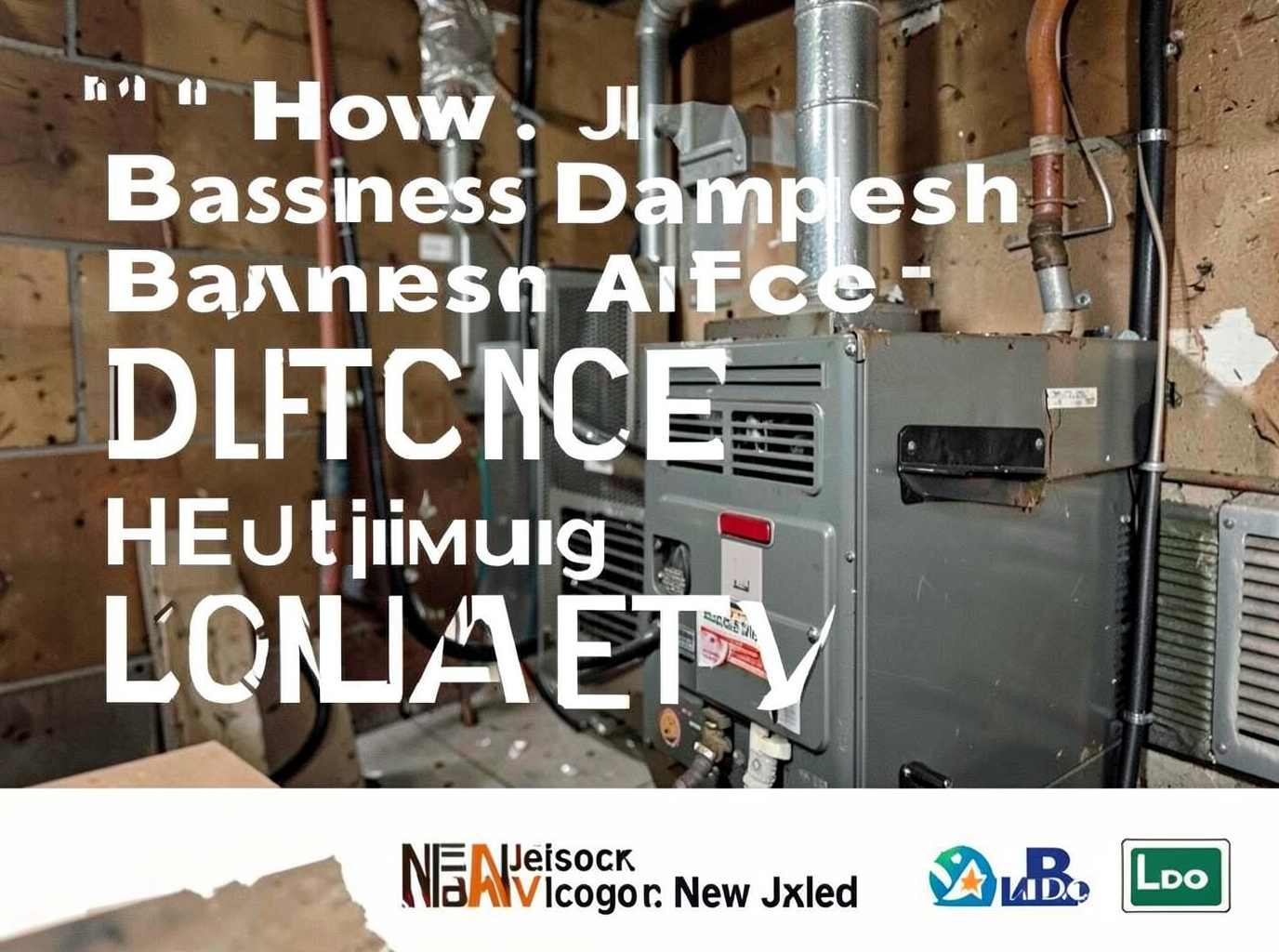
Basement dampness reduces heating equipment longevity by 30–50% in many Nutley residences because constant humidity drives rust on heat exchangers, burners, and control boards while promoting electrical shorts in older forced-air and hydronic systems.
Moisture Sources Common in Essex County Basements
Nutley sits on clay-heavy soils that hold spring and fall rainfall, and many homes built before 1960 have fieldstone or unsealed concrete foundations that wick groundwater. Seasonal humidity spikes above 70% RH for weeks at a time allow condensation on metal cabinets and ductwork. Sump pumps installed after Hurricane Irene still leave residual dampness in finished basements where carpets or drywall trap moisture against equipment. These conditions differ from drier western New Jersey counties and explain why furnaces here often need earlier replacement than manufacturer ratings suggest.
How Humidity Corrodes Key Furnace Components
Water vapor combines with combustion byproducts to form acidic condensate that attacks the heat exchanger first, creating pinhole leaks within 5–7 years on mid-efficiency models. Burner assemblies develop surface rust that disrupts flame pattern and triggers safety shutdowns. Blower motors and control transformers fail when moisture migrates into windings or circuit boards, a pattern seen repeatedly on 80% AFUE units still common in Belleville and Bloomfield. Hydronic boilers suffer similar damage on circulator flanges and zone valves when basement relative humidity stays elevated through winter.
Efficiency Loss and Safety Risks from Damp Operation
Corroded heat exchangers force the system to run longer cycles to reach thermostat setpoints, raising gas consumption 15–25% in Nutley winters. Rust flakes restrict airflow across the exchanger, raising operating temperatures and accelerating crack formation. In severe cases, carbon monoxide detectors activate because flue gases leak into living spaces. Homeowners in Paterson and Passaic report these issues most often on systems located below grade without dehumidification, where the combination of cold concrete floors and warm return air creates continuous condensation.
Practical Steps to Protect Equipment in Local Homes
Install a 50–70 pint dehumidifier tied to a condensate pump and set it to maintain 50% RH year-round. Seal foundation walls with masonry waterproofing coatings rather than relying solely on interior paint. Elevate equipment on 4-inch concrete pads so condensate drains away from the cabinet. Replace standard fiberglass filters monthly during humid months to reduce dust that holds moisture on coils. Schedule annual inspections that include combustion analysis and visual checks of the heat exchanger before heating season begins.
When Replacement Becomes the Practical Choice
Once rust perforates the heat exchanger or repeated control-board failures occur within two seasons, continued repair costs exceed the expense of a new 95% AFUE unit. Essex County homes with original equipment from the 1990s now face this decision as damp basements have shortened expected life. Proper sizing and placement above potential flood lines during replacement prevents recurrence of the same problems. Cost Factors For Replacing A Furnace In Essex County outlines current material and labor ranges for the area.