2026-08-18 · Frank Santoro
How Nor'easters Affect Outdoor Condensing Units
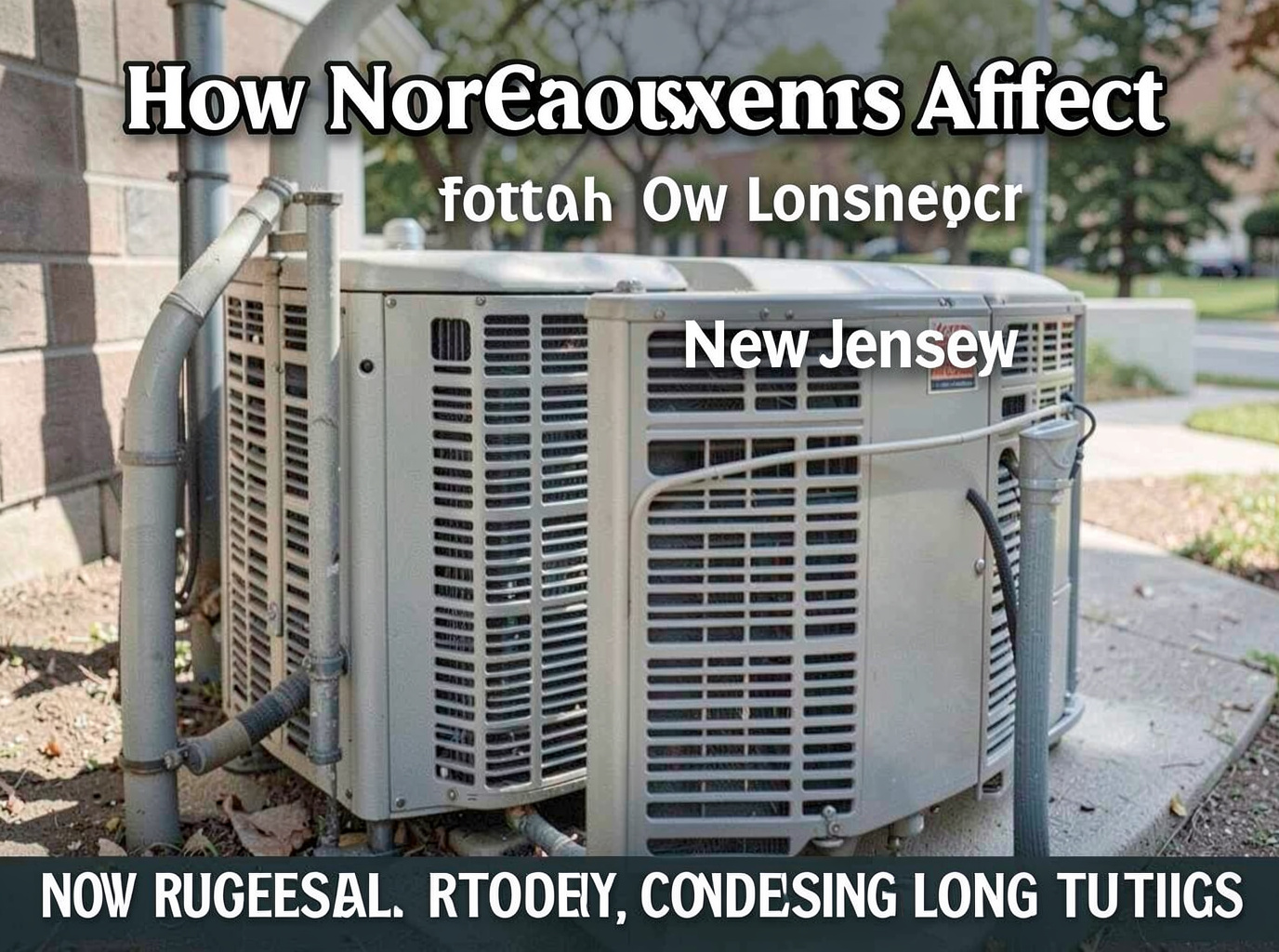
Nor'easters in Nutley and surrounding Essex County towns can reduce condensing unit efficiency by 30-50% through snow and ice buildup while winds above 50 mph bend fins or shift units off level pads.
Snow and Ice Buildup Blocking Airflow
Nor'easters deliver 12-24 inches of snow in a single event across Nutley neighborhoods near 602 Hartford Dr. This packs against the lower coils of outdoor units, stopping airflow and forcing the compressor to work harder. In homes built between 1940 and 1970 common in Nutley and Belleville, units often sit close to the ground on small pads that collect drifting snow quickly. Ice forms when daytime melt refreezes overnight, creating a solid barrier that can crack fan blades or trip high-pressure switches. Homeowners in nearby Clifton and Bloomfield report units running nonstop after storms until the ice is cleared. Regular clearing with a soft brush after each snowfall prevents most of these issues, but repeated freeze-thaw cycles still shorten equipment life by several years in this climate.
High Winds and Physical Damage
Wind gusts during Nor'easters frequently reach 50-70 mph along the Passaic River corridor that borders Nutley and Paterson. These gusts push against the large surface area of condensing coils and can bend aluminum fins or loosen mounting bolts on older units. In post-war ranch homes common throughout Bloomfield and West Orange, units mounted on rooftops or raised pads still suffer vibration damage that loosens electrical connections inside the control panel. Salt spray carried inland from the coast during strong storms accelerates corrosion on exposed copper lines and fan motors. After the 2018 storm, several Nutley residents needed fan motor replacements because water entered through damaged top panels. Checking anchor straps and clearing debris from around the unit before winter reduces the chance of wind-related failures.
Power Outages and System Stress
Extended power outages during Nor'easters last 2-5 days in parts of Essex County when tree limbs fall on lines near Montclair and Newark. When power returns, condensing units attempt to start under heavy load from ice-covered coils, which can trip breakers or damage start capacitors. Heat pumps in particular struggle because reversing valves must work against frozen outdoor coils. Local technicians see a spike in service calls the week after major storms from homes in Jersey City and Passaic where units were left running through the event. Installing a simple surge protector and ensuring the disconnect switch is accessible helps protect equipment during repeated outages common in this region.
Post-Storm Inspection Steps
After a Nor'easter passes, first shut off power at the disconnect and remove loose snow with a broom rather than a shovel that can dent coils. Inspect the fan for ice or bent blades, then check that the unit sits level on its pad. Clear at least 2 feet of space around all sides for proper airflow once melting begins. In older Nutley homes with tight lot lines, units often sit near driveways where plowed snow adds extra weight against the cabinet. If the unit still shows error codes or short cycles after clearing, schedule service through HVAC Repair to check refrigerant levels and electrical connections stressed by the storm.
When Professional Service Is Needed
If ice remains after 48 hours or the unit makes grinding noises on startup, contact a technician familiar with Essex County conditions. AC Maintenance visits scheduled before December catch loose panels and low refrigerant that worsen during storms. Homeowners in Nutley, NJ also benefit from reviewing related guidance in Troubleshooting Noisy Ductwork In Post-War Nutley Homes because storm vibration often travels through ductwork and creates new noise issues. Keeping the unit clear and level after each event protects the 8-12 year lifespan typical for equipment in this area.